Modest fashion often gets treated as a single fixed look, when in reality an abaya has as much room for personal style as any other garment — it just works through cut, color, and layering rather than fit.
Choosing a silhouette that suits you
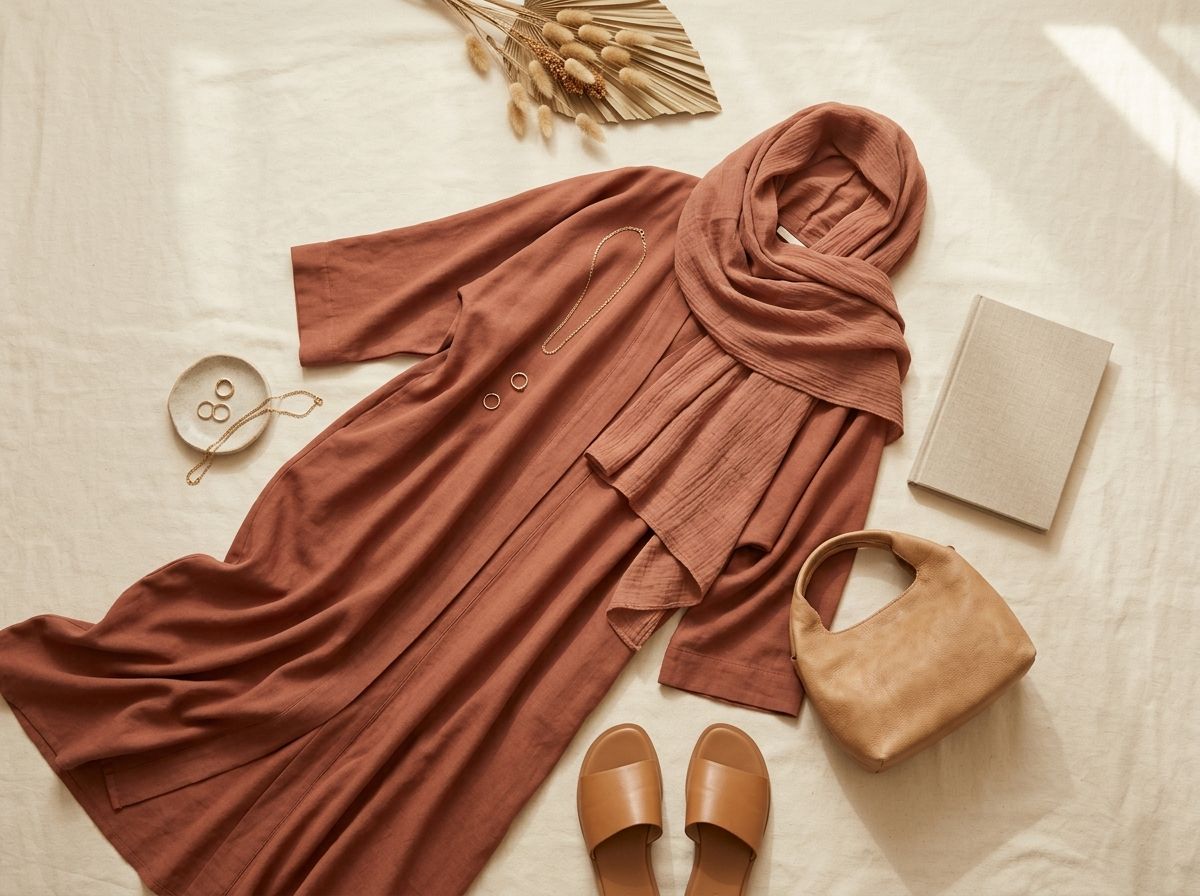
Open-front abayas worn over an inner outfit offer more versatility than closed styles, while a fitted waist (via a belt or seaming) adds shape without compromising coverage. Try both and notice which one you reach for more.
Color is where your personality shows
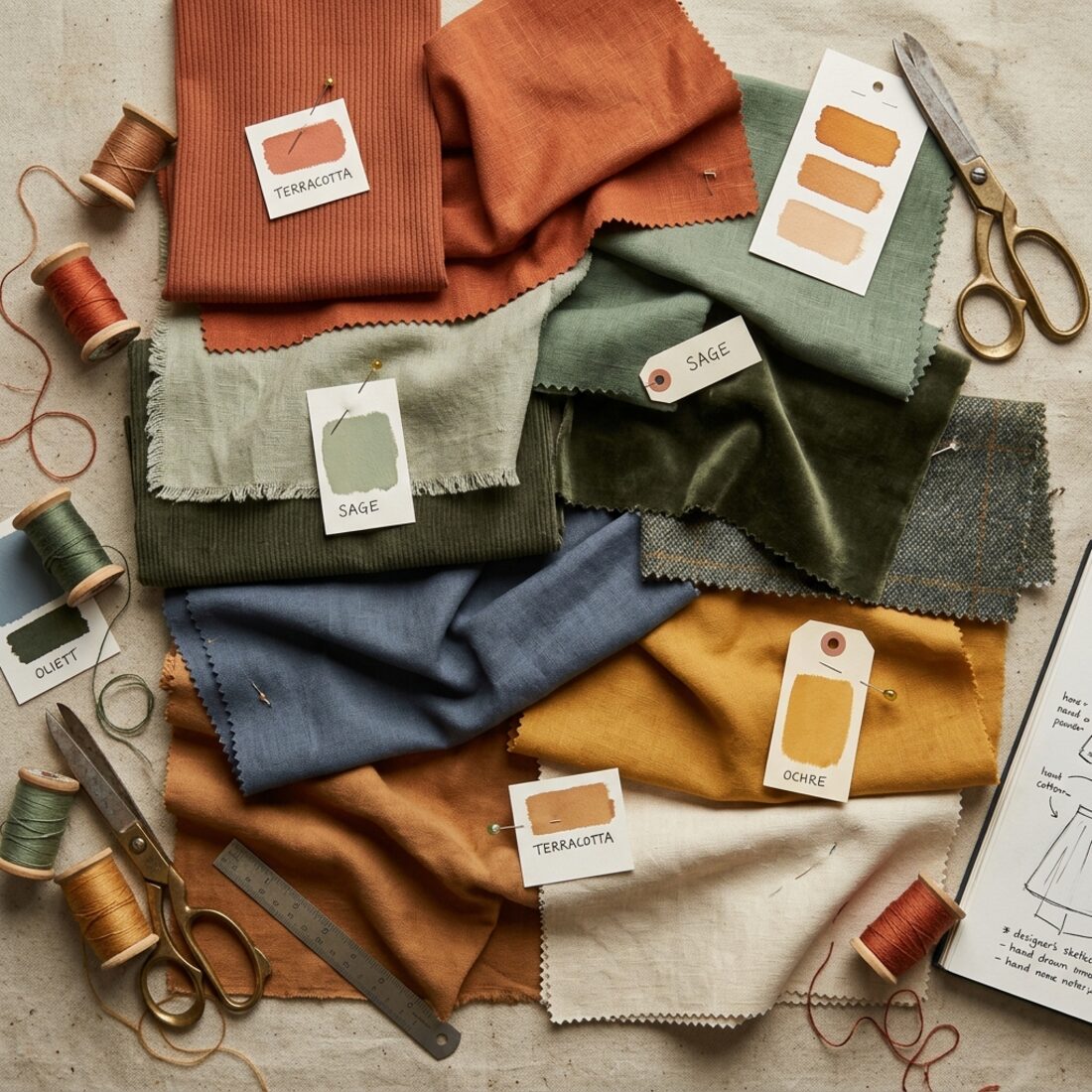
Black remains a reliable default, but warm neutrals, muted terracottas, and deep jewel tones are just as modest and considerably more expressive. Building two or three color options beyond black changes how personal the wardrobe feels.
Layering a hijab that complements, not competes
A hijab in a tone that either matches or gently contrasts the abaya keeps the outfit cohesive. Textured fabrics (a light crinkle or matte crepe) add visual interest without needing a bold pattern.
Accessorizing modestly but intentionally
Delicate jewelry, a structured handbag, and a good pair of flat sandals or loafers finish an abaya outfit without adding bulk. A single statement piece — a ring, a pair of earrings visible near the hijab's edge — is usually enough.
Fabric matters more than people think
Breathable linen-blends and lightweight crepe drape better and manage heat far better than stiff synthetic fabrics, which matters as much for comfort as for how the outfit photographs or moves.
Building a versatile modest wardrobe
Two or three abayas in different core colors, one everyday hijab fabric and one dressier option, and a pair of neutral shoes cover most weeks without needing constant new purchases.
Final thought
Modest fashion isn't a limitation on personal style — it's a different set of tools for expressing it. Color, fabric, and small details do the work that fit and cut do elsewhere in fashion.